
Conference
Sponsorship
Previous Conferences
Microalgae in a New Light
Exploring unexpected paths from light to healing
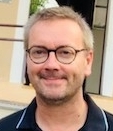
Pr. Laurent Picot, La Rochelle University – UMR CNRS 7266 LIENSs, France
About the speaker:
Laurent Picot is Professor of Biochemistry and Pharmacology at La Rochelle University, France, and researcher at the LIENSs CNRS laboratory. His research focuses on the discovery, characterization and development of bioactive compounds from marine organisms, particularly microalgae and seaweeds, for applications in human health. His work combines natural-product chemistry, pharmacology, photobiology and biotechnology, with particular interests in photoactive compounds, antimicrobial and anticancer activities, dermocosmetics, and regenerative applications.
He has authored or co-authored more than 110 scientific publications, with over 4,500 citations and an h-index above 35, and has been included among the Stanford/Elsevier Top 2% of scientists worldwide in Chemistry. He has also contributed to major European INTERREG Atlantic Area initiatives dedicated to microalgae, including Enhance Microalgae and SMACC+, fostering the development, valorization and transfer of microalgae-based innovations.
He is particularly interested in translating the unique biological properties of algae into innovative concepts and therapeutic solutions for human health.
Presentation:
Microalgae are increasingly recognized as sustainable sources of bioactive compounds, but their potential for human health extends far beyond their use as conventional ingredients.
Starting from the PHASMA project, which explores a photoactive microalgal extract for the dermocosmetic management of mild-to-moderate acne, this presentation will show how light can transform naturally occurring microalgal molecules into innovative therapeutic tools.
The talk will look beyond current applications and explore emerging concepts at the interface of microalgae, photobiology and regenerative medicine. Particular attention will be given to wound healing, including algal molecules able to promote tissue repair and the concept of living photosynthetic dressings capable of locally producing oxygen and delivering healing factors to hypoxic wounds.
The underlying idea is simple: innovation often begins by connecting familiar biological properties in unexpected ways — moving from microalgae as sources of ingredients to microalgae as active, responsive therapeutic systems.
Cookies
We use cookies to enhance your experience of the website. By continuing to visit the site you agree to our use of cookies.
More info
Allow selection
Accept all